10 Unique Traditions Around the World
We’ve all taken part in celebrating major holidays like New Year’s and Halloween, but what about festivals where a country turns into a giant water fight? Or even countries that have a scary twist on Christmas? Around the world, people celebrate their culture, history, and community in a variety of ways, some with some wild traditions! Explore some of the most unforgettable, must-see traditions from around the world.
San Fermín – Spain
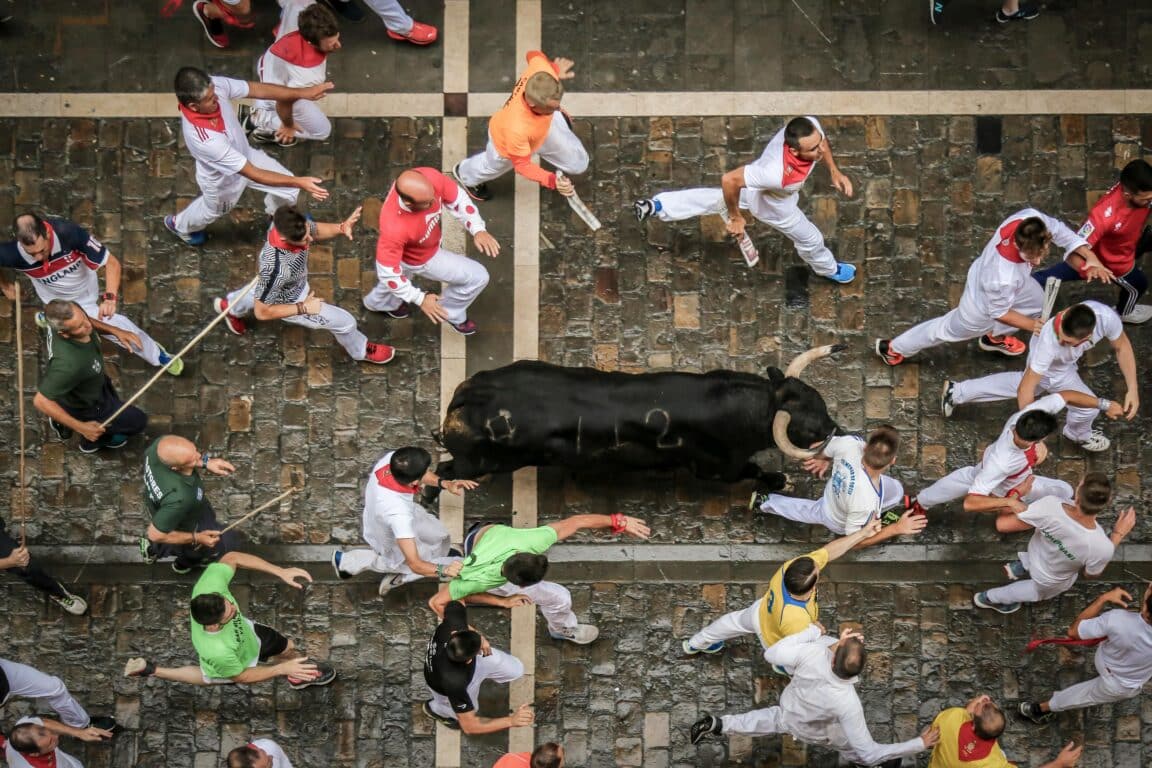
Known as one of the most intense and adrenaline-filled traditions in the world, the running of the bulls during the Festival of San Fermín is one of the most popular celebrations in Spain. From the 6th to the 14th of July, the lively city of Pamplona is filled with locals and visitors ready to celebrate in honor of Saint Fermín, the city’s first bishop and patron saint. Every summer, the city’s streets flood with people in all white clothes and red scarves, ready to run from 6 massive bulls through the narrow alleys of the city. The weeklong festival also includes parades, fireworks, traditional Spanish dances, “fiestas” all over the city at any time of the day, and religious ceremonies.
Krampusnacht – Austria & Germany
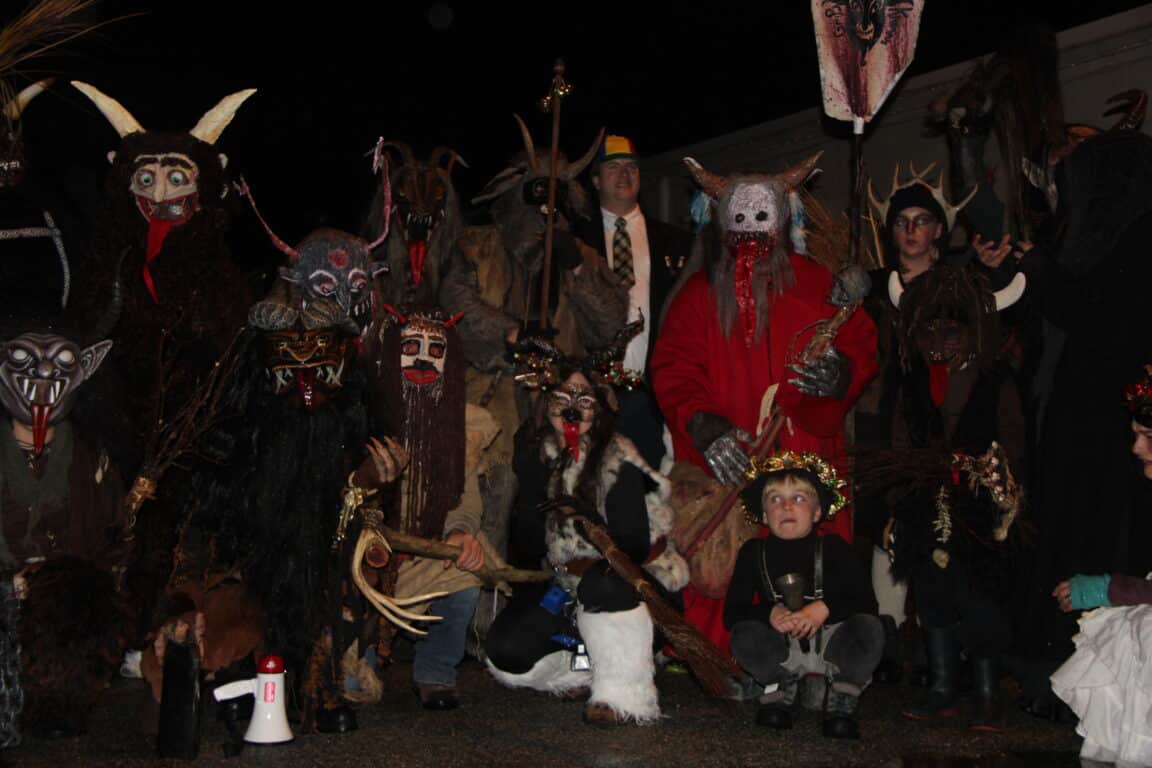
Did you think Christmas was all sweet treats and gifts? In the Alpine regions of Europe, the holiday season comes with a dark surprise: Krampusnacht. According to folklore, Krampus— a half-goat, half-demon creature— is the dark counterpart to wholesome Santa Claus, scaring the kids who have misbehaved throughout the year. On December 5th, towns in Austria and Germany host Krampus parades where people dress in frightening costumes and tease the crowd, especially those who have been naughty. In these countries, receiving coal from Santa is the least of your worries!
Travel to the Germanics with ACIS
Up Helly Aa- Scotland
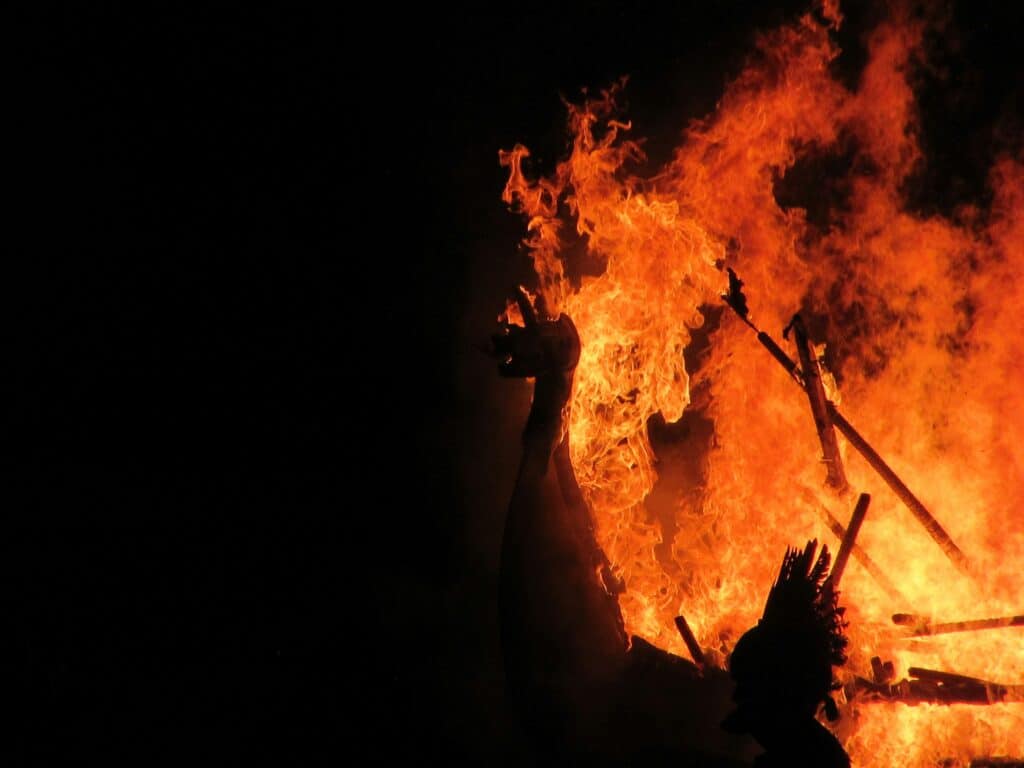
Scotland’s Up Helly Aa is a bright tribute to the country’s Viking roots. Held in the Shetland Islands on the last Tuesday in January, this fire festival celebrates the end of the Christmas period and the beginning of brighter days. The main celebration consists of a torchlit parade and the dramatic burning of a replica of a Viking longship. This festival is a magnificent reminder of how cultural identity is kept alive through storytelling and community tradition.
Holi – India
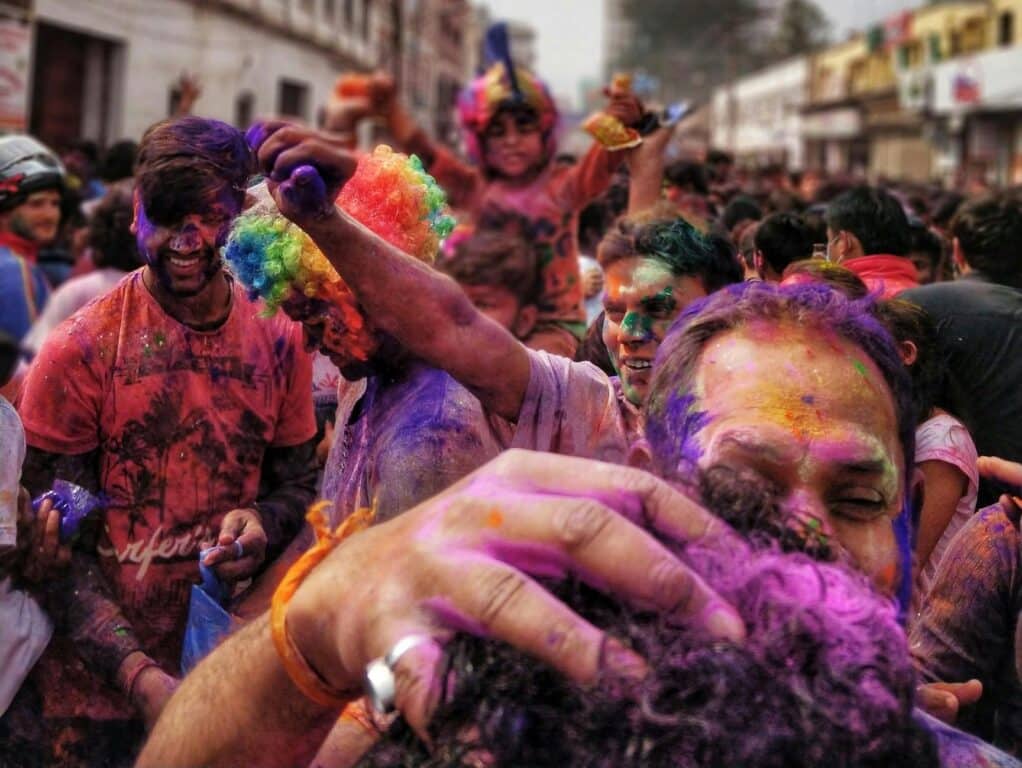
Step into an explosion of bright colors at Holi, India’s legendary Festival of Colors. This vibrant Hindu festival celebrates the arrival of spring, new beginnings, and the triumph of good over evil. The festivities begin with bonfires the night before, but the main event occurs the following day when people come together to throw colored powder, each with its own meaning, and let loose during this celebration. This wonderful festivity is all about joy, connection, and letting go of the past while embracing all the good things to come.
Carnival – Brazil
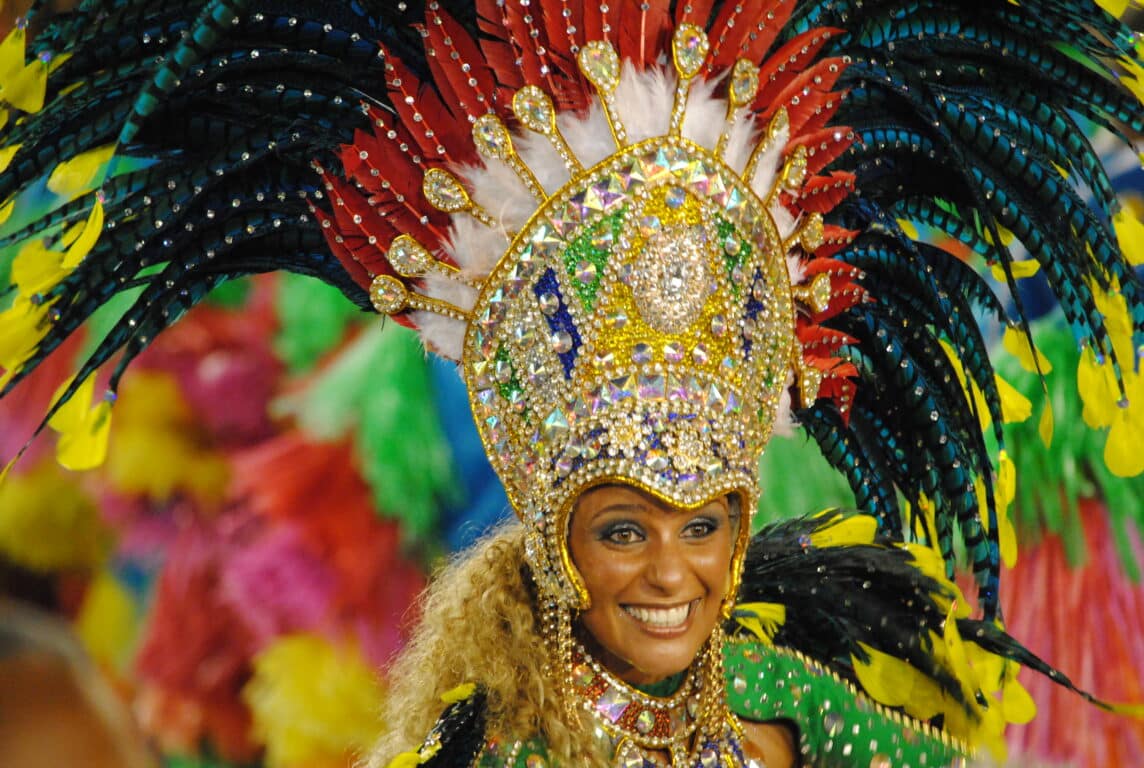
If there’s one global tradition that screams spectacle, it’s Brazil’s iconic Carnival. This celebration takes place every year before Lent, making it a time to let loose before a more strict and reflective period begins. This bright and joyous nationwide party is a cultural expression of Brazil’s history and traditions, blending cultural influences ranging from Afro-Brazilian rhythms to Portuguese traditions. This Carnival brings together Samba music, beautiful costumes, skilled dancers, parades, and the ultimate energy for the most iconic festivity there is.
Oktoberfest– Germany
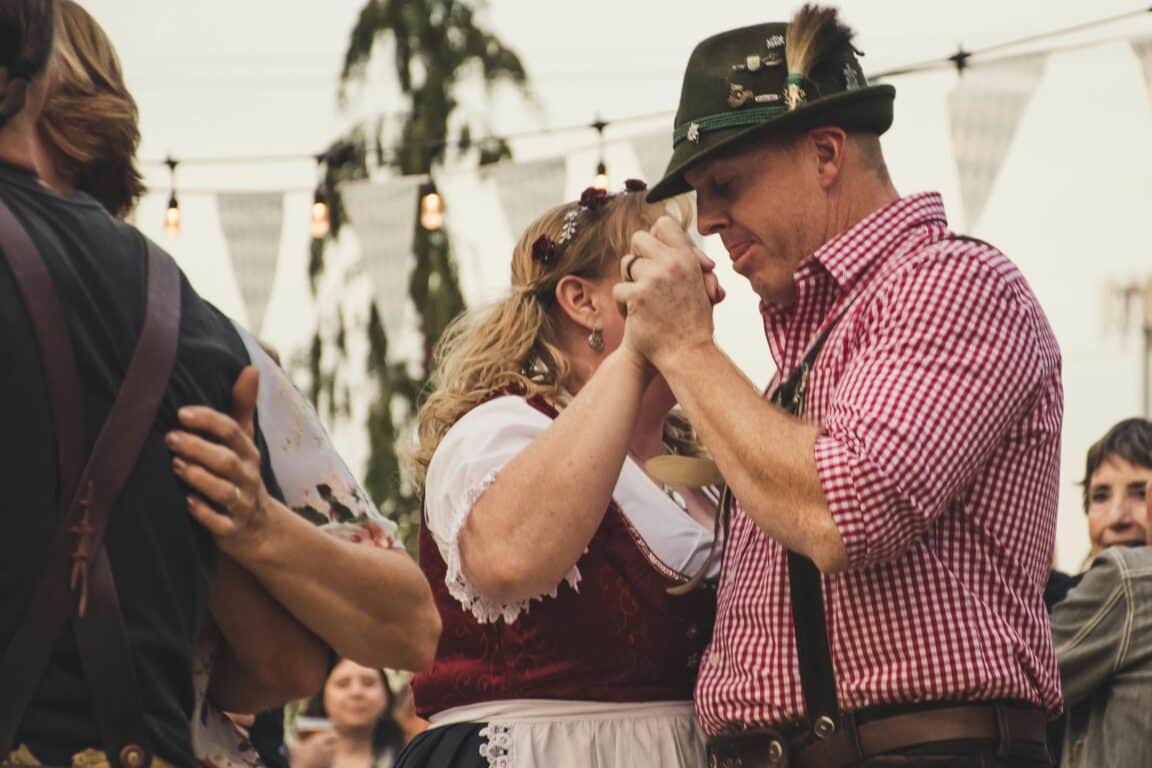
Oktoberfest is Germany’s most famous cultural celebration. Held in Munich, this 2+ week festival attracts millions of visitors from all over the world and is the largest yearly folk festival and beer festival in the world. What started in 1810 as a royal wedding has now become a joyful homage to Bavarian culture and hospitality. Think traditional Bavarian clothing, folk music, and hearty food all coming together to make an unforgettable communal atmosphere.
Día de los Reyes – Latin America & Spain
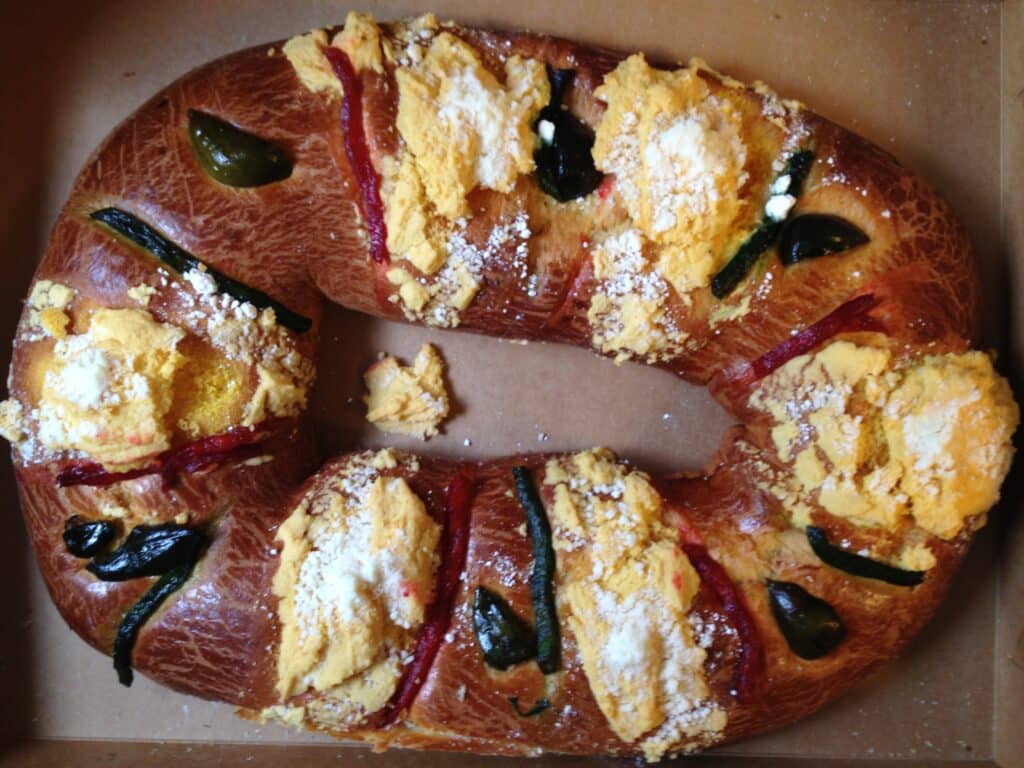
Three Kings day, celebrated on January 6th, celebrates the three kings who followed the star of Bethlehem to bring gifts to baby Jesus. In many Spanish-speaking cultures, this day may just be as important as Christmas. Kids leave their shoes out the night before, hoping to receive candy and small gifts. Friendly and lively parades fill the streets with music, colorful costumes, and candy tossed into the crowds. Families come together to share a sweet bread called Rosca de Reyes. This treat often hides a small baby figurine, representing baby Jesus, a dried fava bean, or both. In some cultures, finding the figurine represents good luck and means you are crowned “king” or “queen” for the day, while finding the bean means you must buy the roscón next year. In other cultures, like in Mexico, finding the figurine means you must throw a party on January 2nd, Día de la Candelaria. This day is festive, meaningful, and a beautiful example of faith and family coming together.
Midsummer- Sweden
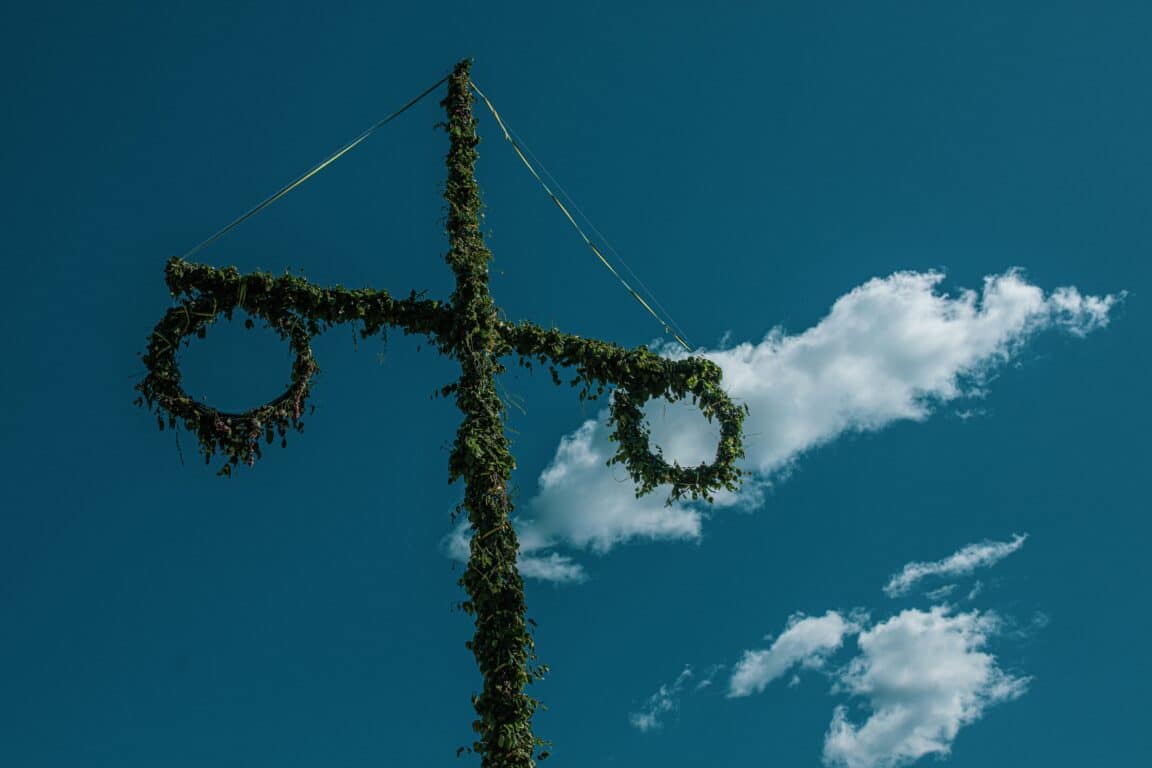
Sweden comes alive in summer with its Midsummer celebration, which marks the longest day of the year. In the past, Midsummer was considered a magical night where plants gained healing powers and people could partake in rituals to predict their future. Today, people gather to dance around flower-decorated maypoles, wear floral crows, and enjoy outdoor feasts with traditional dishes like pickled herring, gravlax, fresh potatoes with dill, and a delicious strawberry cake to end the meal. This lively celebration welcomes the beginning of summer with music, laughter, and the sun shining all day long.
Songkran Water Festival – Thailand
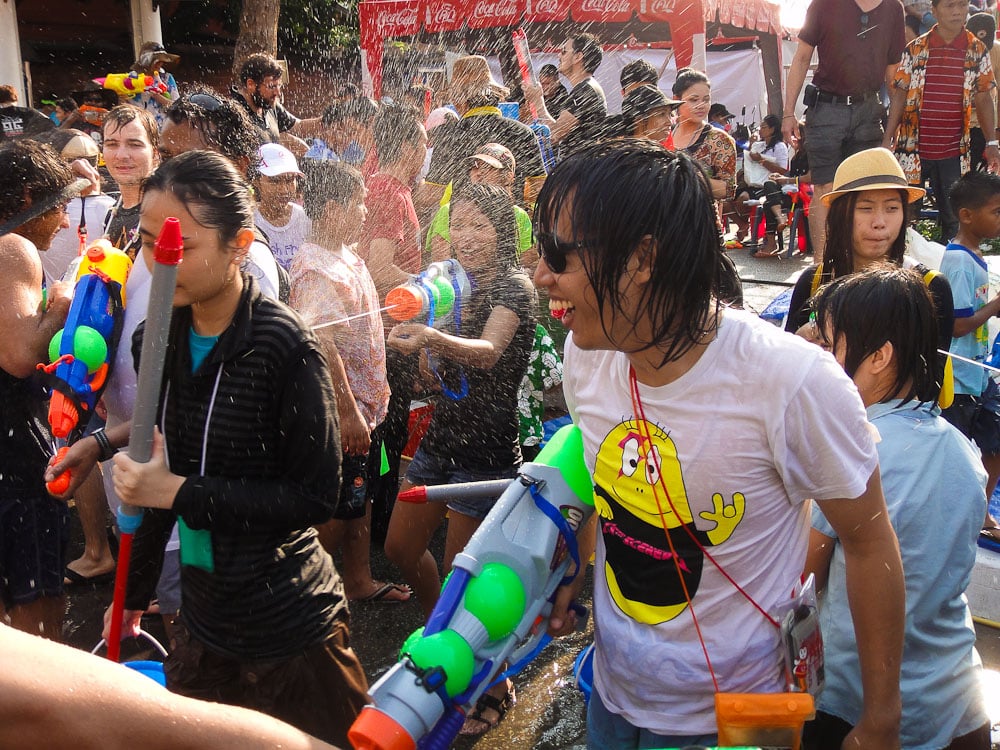
Thailand’s Songkran Festival is the largest water fight you will ever witness. Held in mid-April to mark the Thai new year, the nation becomes one enormous water fight that symbolizes washing way troubles or misfortunes from previous years and taking in blessings and prosperity for the new year. Traditionally, water was gently poured over statues of Buddha as well as sprinkled on loved ones to symbolize cleansing, blessings and gratitude. Today, Songkran blends ancient Buddhist customs with fun, new tradition.
Day of the Dead – Mexico
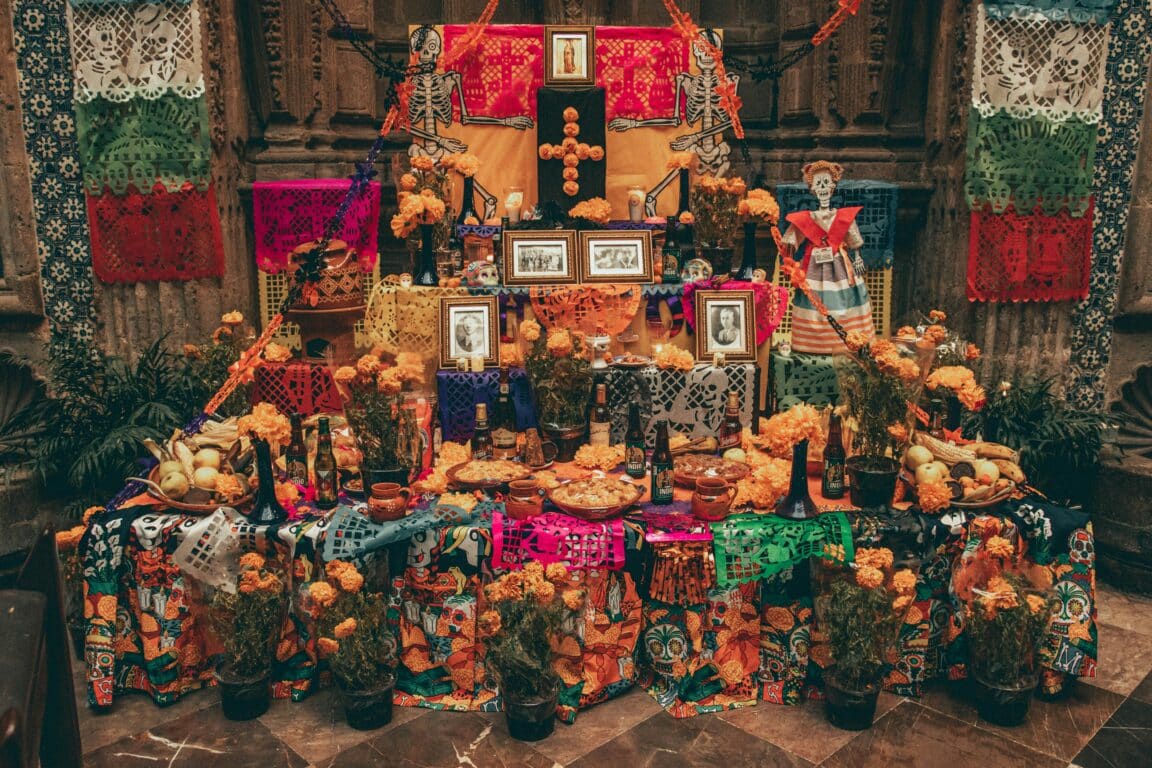
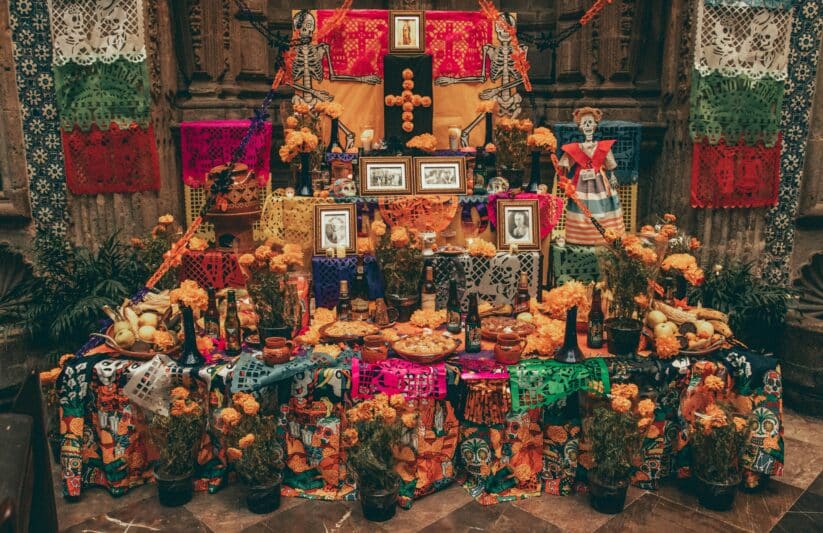
Día de los Muertos, or Day of the Dead, is a beautiful holiday that gives the chance to honor your loved ones with magnificent altars known as ofrendas. These altars are decorated with images of saints, candles, marigolds, and most importantly photos and the favorite foods of who the altar is dedicated to. Stemming from Indigenous beliefs and Catholic practices, those who celebrate do not see death as the end, but instead a part of life that is to be respected and celebrated. This meaningful celebration is a testament to love that never fades.
Why These Traditions Matter
These traditions may be bold and unfamiliar, but at their core they are all about human connection, family, culture, community, and joy. When you travel the world, you don’t just visit new places, you get the chance to dive into new cultures and live such experiences firsthand. So whether you’re dancing under the midnight sun in Sweden or dodging water balloons in Bangkok, remember that every tradition tells a story!


Carlota Martinez