Sustainable Student Travel: Teaching Global Citizenship in Costa Rica
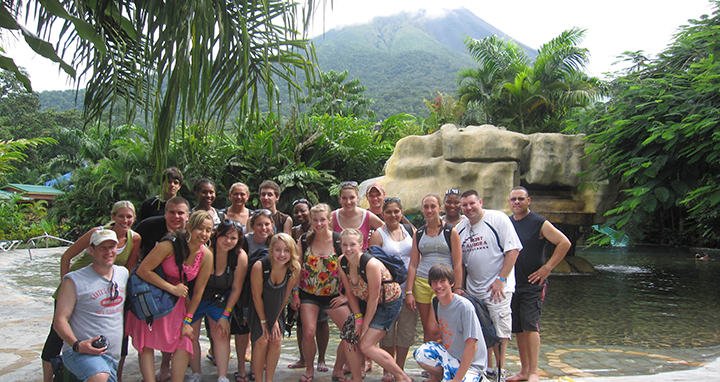
When traveling to Costa Rica, you’ll find plenty of beautiful places to visit, from Montezuma Beach and Rio Celeste Waterfall to the Monteverde Cloud Forest and snorkeling in Guanacaste. In the 21st century, Costa Rica has become a center for some of the world’s greatest sustainability and biodiversity practices, but it hasn’t always been like this. In the 1970s and 1980s, there was massive deforestation across the entire country. In an effort to reverse these issues, many laws were passed to promote environmental sustainability. These practices are key to preserving the environment and increasing biodiversity across ecosystems, and it is important for students, if given the opportunity, to travel to Costa Rica to take advantage of learning about sustainability!
Check out ACIS Travel opportunities to Costa Rica
Why is Costa Rica a Model for Sustainable Travel?
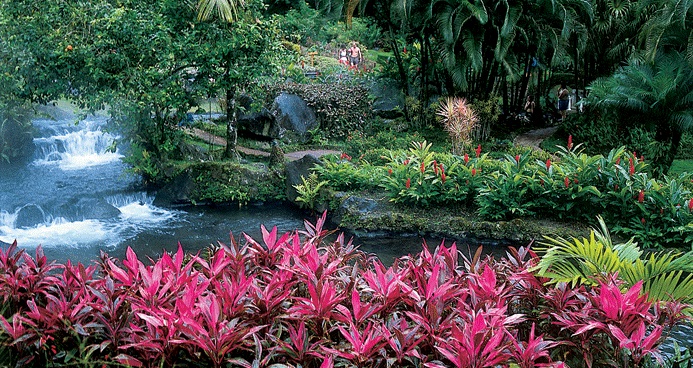
Many popular tourist destinations struggle to maintain a healthy balance between sustainable travel and tourism; Costa Rica does not. Over 99% of Costa Rica’s electricity comes from renewable sources. Whether it is wind, hydroelectric or solar power, Costa Rica ensures that tourist travel across the country will be a low-carbon experience. Additionally, roughly 25% of the land is designated as protected areas, meaning environmental actions like deforestation, logging and hunting are illegal there. Costa Rica has also tripled its GDP while pursuing a sustainable and biodiverse environment, making it an amazing destination for educational travel. We can learn from this that countries that struggle with environmental issues are more than capable of recovering and pursuing environmental responsibility.
What Can Students Learn About Global Citizenship?
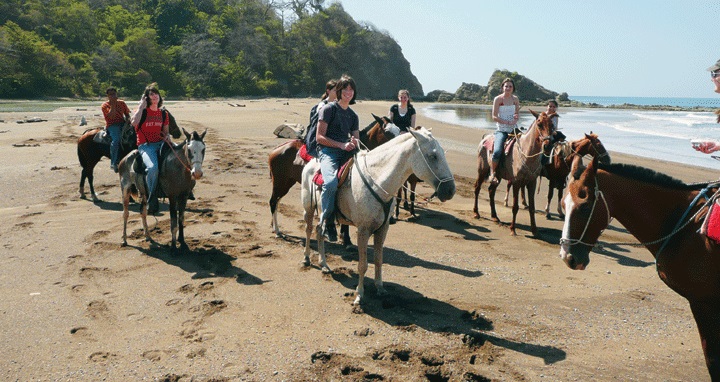
Global citizenship is the idea that individuals are part of a greater global community. Protecting the environment is one of the biggest aspects of global citizenship, and it is something that is very beneficial for all students to learn about. One important aspect of learning about global citizenship is understanding the interconnectedness between different environmental communities. Through ACIS, students are able to travel to local schools to learn about how those schools operate in environmentally friendly conditions. They can also work on service-learning community projects to support local initiatives that continue to make Costa Rica a global leader in sustainable travel. Learning about culture in Costa Rica will also allow students to engage with different cultural backgrounds, fostering a greater understanding of identities and values. Ultimately, being able to see acts of sustainability in action will inspire students and tourists to make an impact on their carbon footprint, as well as to take care of the world around them.
Learning Through Cultural and Environmental Experiences
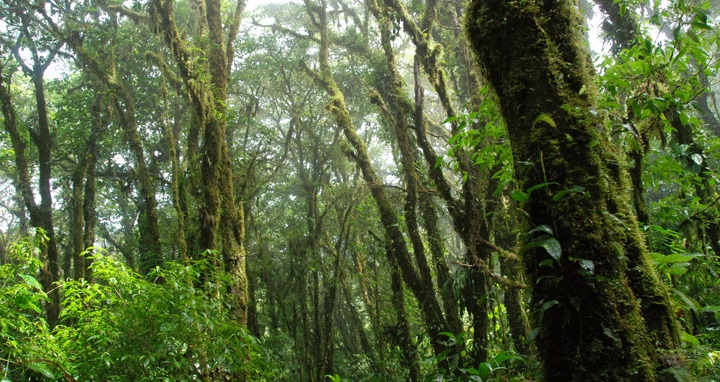
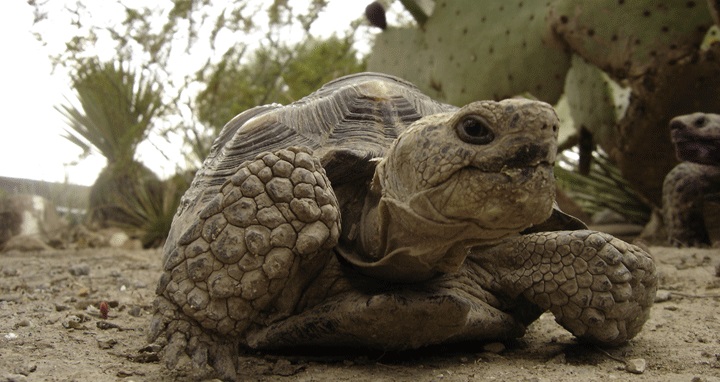
Traveling to Costa Rica on an ACIS Tour, students will find plenty of educational opportunities to engage firsthand with sustainability practices through rainforest and wildlife experiences. Across the country’s national parks and cloud forests, students have the opportunity to explore these locations and learn firsthand about biodiversity. They can also venture through reserves by boat or zipline, which offer abundant wildlife learning opportunities. Beyond the rainforests and wildlife, community visits are also valuable opportunities for students to learn about sustainable global citizenship. Students can visit indigenous territories, such as the Bribri people in eastern Costa Rica. There, they can learn about the biodiverse land through storytelling, workshops and cacao farming. Service-learning community projects also create opportunities for cultural exchange through peer-to-peer interaction, Spanish practice and addressing local needs.
The Lasting Impact of Sustainable Student Travel
Sustainable student travel can create lasting impacts on both the students who travel and the communities they visit. Learning how sustainability practices positively affect these groups will give students greater confidence to continue making positive impacts. They will want to continue lowering their carbon footprint while also helping others create more sustainable lives. Learning about these practices in Costa Rica will also give students a broader worldview of how different countries and communities contribute to environmental sustainability. Being a responsible global citizen is something everyone should strive to be. Many ecosystems have been damaged by human impact, and it is our duty to restore the environment and reverse the damage humans have caused.

Andrew Saliba