When Two Groups Become One: The Unexpected Benefits of Shared Travel
Beth Marshall is a French teacher, currently serves as an ACIS Academic Travel Advisor and has been an ACIS group leader since 1995. In 2026, her tour to France was combined with another group, and she shares the benefits of that experience.
“Beth, can we chat about your small group and brainstorm how we can make it work?”
When my ACIS Tour Consultant, Jill, asks that question, I know what comes next. We pull up itineraries, compare possibilities, and begin the creative process of making a tour happen.
Like many group leaders, I’ve had years when enrollment exceeded every expectation—and years when it didn’t. Over nearly thirty years of traveling with ACIS, my groups have ranged from just nine travelers to more than sixty. Every trip has looked a little different, but each one has reminded me of the same truth: sometimes the best experiences are the ones you never planned.
Over the past two years, I’ve found myself having this conversation with Jill three different times. Together, we looked for ways to preserve the experiences that mattered most to my students while remaining flexible enough to combine our tour with another school. It meant adjusting expectations, compromising on a few details, and trusting the process.
What I didn’t expect was that those shared tours would become some of my favorite travel experiences yet.
One Adventure, Two Groups
Every educator knows the comfort of finding someone who simply “gets it.” Someone who understands the excitement of watching students make connections across cultures, the satisfaction of seeing confidence grow day by day, and even the humorous stories that only another teacher could truly appreciate.
That’s exactly what I found.
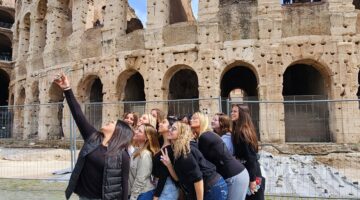
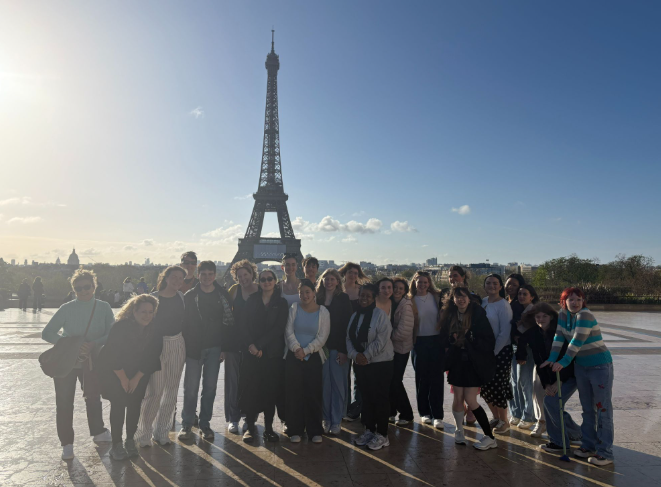
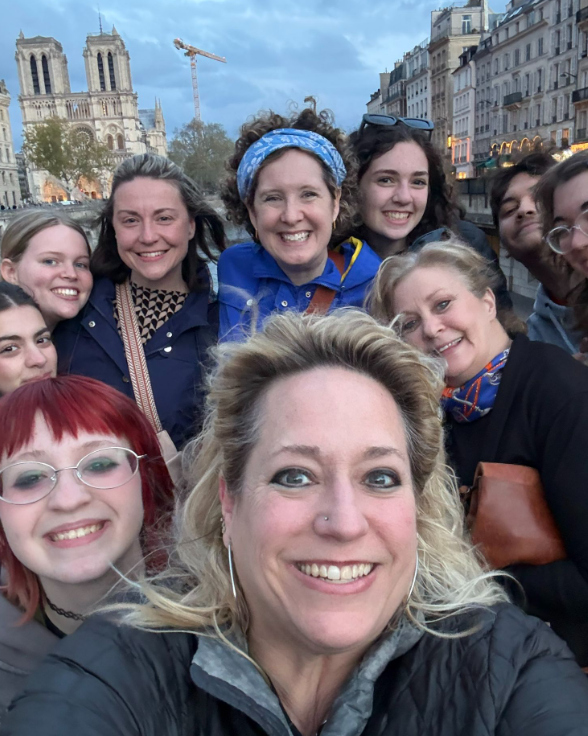
This spring, I spent a week exploring Paris alongside two remarkable science teachers from Pennsylvania. They were every bit as passionate about teaching as I was, even though our classrooms looked very different. I loved introducing them to the French language, culture, and history that I know so well. In return, they reminded me what it feels like to see Paris through first-time eyes—the wonder of standing beneath the Eiffel Tower, wandering the streets of Montmartre, or simply lingering over a café meal.
A few months after we returned home, an envelope arrived in my mailbox. Inside was a handwritten card and photographs from our week together. Those photos now hang beside my desk, a daily reminder that the friendships formed through travel don’t end when the plane lands.
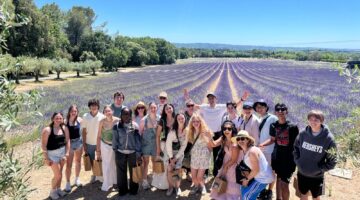
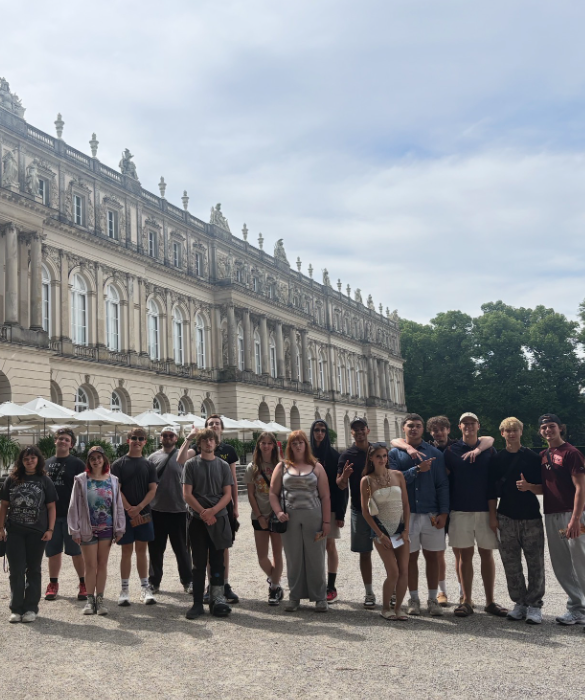
Then, just a few weeks ago, I found myself sharing another adventure—this time through Austria, Czechia, and Germany—with a German teacher and her students. Within days, we were swapping stories about our own study abroad experiences, discussing classroom ideas over dinner, and discovering our mutual love of art and history.
While visiting Herrenchiemsee Palace, King Ludwig II’s remarkable homage to Versailles, inspiration struck. What if we designed a lesson together? Our French and German students could compare the two palaces, explore the lives of Louis XIV and Ludwig II, and discover how history, culture, and architecture continue to influence one another across borders.
It was one of those moments that could never have been scheduled into an itinerary. It happened because two teachers, brought together by circumstance, discovered a shared passion for helping students see the world more deeply.
More Than a Shared Bus
When people hear that two schools are traveling together, they often focus on the logistics. Will the schedules align? Will the personalities mesh? Will it feel like “our” trip?
I’ve learned that they’re asking the wrong questions.
Shared travel isn’t about giving something up. It’s about gaining something unexpected.
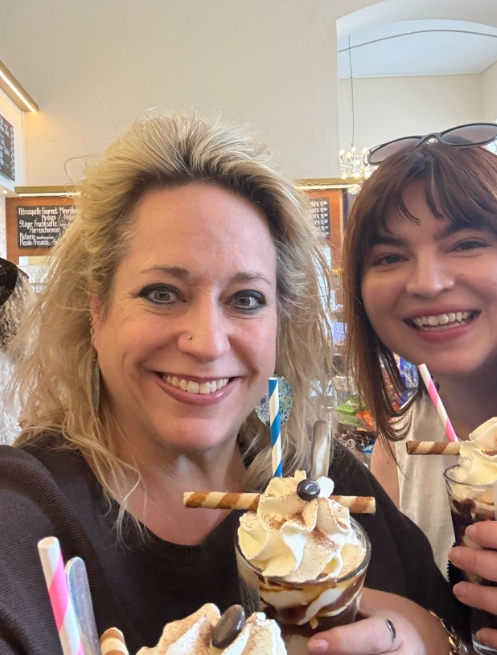
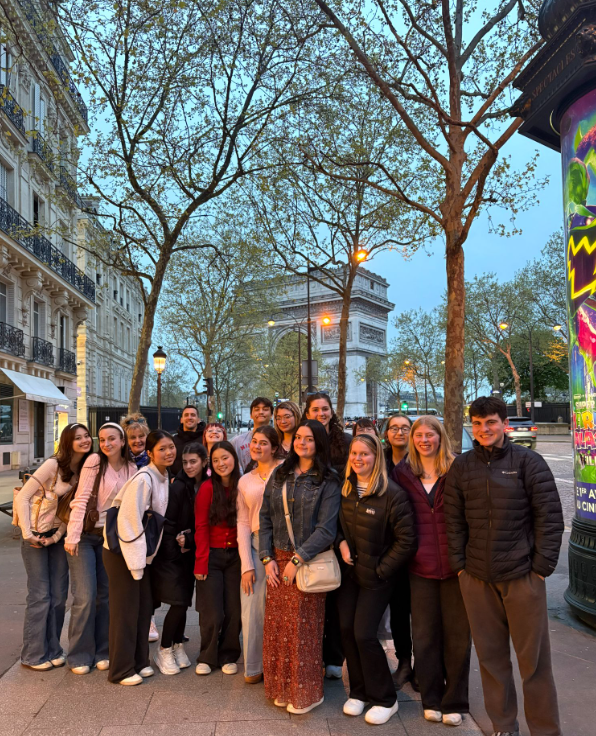
It’s gaining another experienced educator who notices the quiet student who needs encouragement or the excited one who can’t wait to share what they’ve learned. It’s late-night conversations about teaching, laughter over classroom stories, and exchanging ideas that make both of us better when we return home. It’s watching students realize that their community extends far beyond their own school.
As I plan my 2027 and 2028 tours, of course I hope every seat is filled. But I no longer worry about what happens if my group is smaller than I had hoped.
Experience has taught me that ACIS doesn’t simply find ways to make a tour work—they create opportunities for connections that might never have happened otherwise.
Sometimes, the itinerary changes.
Sometimes, the group gets a little bigger.
And sometimes, the people who begin the journey as strangers become colleagues, collaborators, and lifelong friends.
Those are the kinds of souvenirs you can never pack in a suitcase.
I actually think this version captures something universal about travel: the trip isn’t just transformative for students—it transforms the teachers, too.


Guest Blogger