Following Frida: A Student Guide to Art and Identity in Mexico City
Discovering Frida Kahlo’s World
If you’re traveling to Mexico City and want to understand one of the most influential artists of the area, there’s no better place for this than to start at the Frida Kahlo Museum, also known as. Casa Azul. Located in the historic neighborhood of Coyoacan, Casa Azul is more than a museum, it’s a personal journey that delves deep into her life, identity, and creative mind.
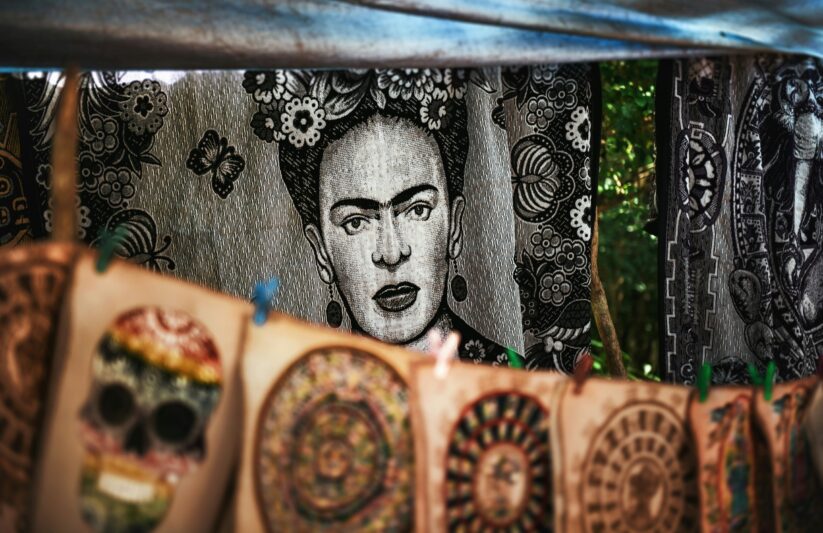
However, you may be asking “Who is Frida Kahlo and why is she so important?” Frida was a Mexican painter with a unique art style who was celebrated for her self-portraits that explored the themes of identity, pain, and Mexican culture. She experienced a lifelong journey of physical agony as she had polio and was involved in a severe bus accident. However, she transformed that pain into a beautiful form of expression. Although some of her paintings are quite graphic, such as her My Birth painting, the ideas that are expressed are very clear. She was also a political activist who challenged the cultural norms of the time along with being open about gender and sexuality. This made her a role model in LGBTQ+ communities and inspired many artists of color worldwide. One example of this is Julio Salgado, a Mexican-born artist and activist who was most inspired by Kahlo’s The Broken Column.
Stepping into Casa Azul feels like walking into Frida’s story. You’ll see the garden she loved to visit all the time, the cobalt-blue walls that were intentionally used to honor Mexican aesthetics, and the mirrored canopy above the bed where she painted while recovering from her bus accident. All of her belongings, including her brushes, books, unfinished canvases, and even her painted medical corsets remain exactly where she left them.
Although Casa Azul doesn’t display her most famous works, many of them belong to private collectors or museums like Museo Dolores Olmedo. Here, you can find sketches, early drafts, clothing, and personal items that reveal far more than any museum ever could.
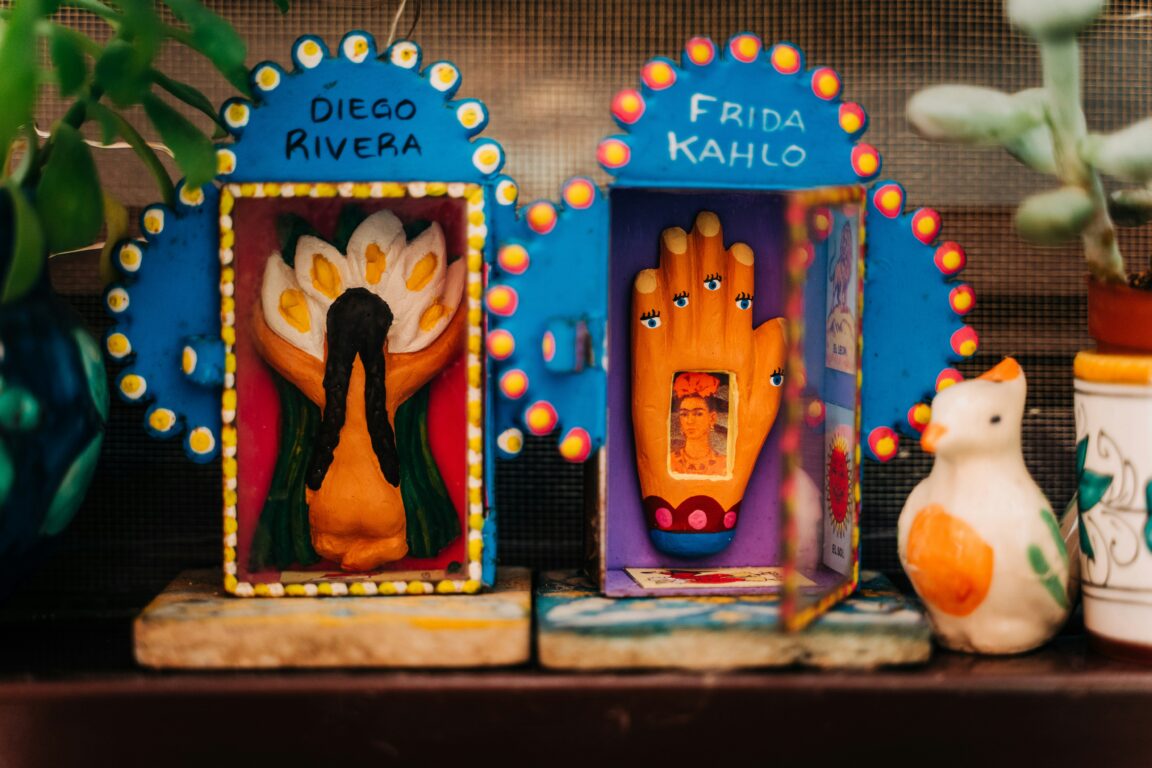
Frida’s influence can’t be highlighted without mentioning her collaboration and complicated love story with Diego Rivera. As one of Mexico’s most famous muralists, Rivera mentored Frida early on in her career and later became her husband. Their relationship was a roller coaster of emotions, unfortunately ending in divorce. Casa Azul is able to bring their partnership to life through their shared spaces and objects.
Learn the Cultural Context of Frida’s Mexico
To understand Frida Kahlo, you need to understand Mexico in the early 20th century. It was a time of revolution, rebuilding, and cultural rebirth. Artists became activists, using their work to address the political landscape, class struggles, and national pride. The Mexico that Frida was in was shaped by public art, Indigenous revival, and a renewed interest in Mexican identity.
Murals became a powerful social tool, with artists like Diego Rivera, David Alfaro Siqueiros, and Jose Clemente Orozco using public spaces to tell stories of labor, struggle, and national belonging. These murals are still visible across Mexico City today. Some locations include the National Palace, the Ministry of Education, and local universities. These stops are essential for students that want to get a better understanding of how art had a major impact on history.
Frida’s work is deeply rooted in this cultural moment. She embraced Indigenous Mexican clothing, symbolism, and traditions not just as aesthetics, but as expressions of identity and resistance. Her wardrobe at Casa Azul, including her dresses, corsets, and accessories, show how she carefully crafted her image to conceal her disabilities and amplify her heritage.
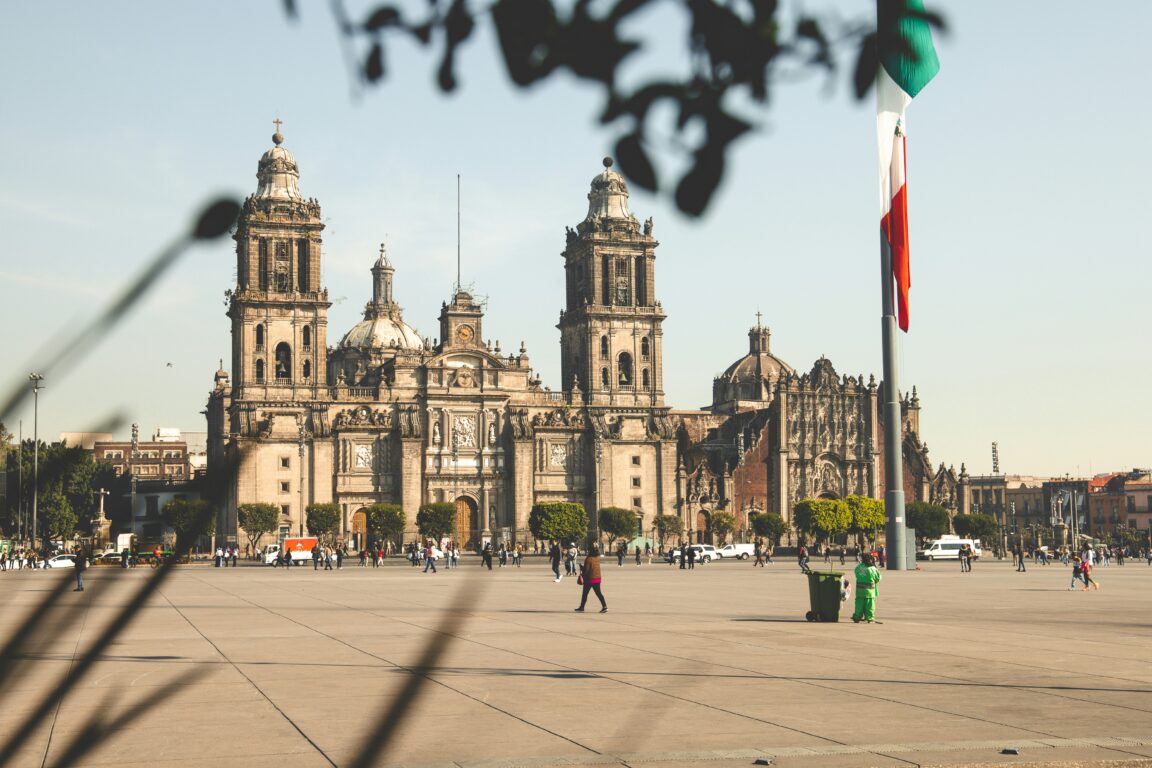
Exploring Mexico City’s art neighborhoods like Coyoacan, Roma, and San Angel gives students a firsthand look at the environment that influenced Frida. Coyocan in particular offers a slower, more local feel with cobblestone streets, leafy plazas, colonial architecture, and a lively cultural scene. Personally, I recommend taking the opportunity to see everything on a bike tour as you are able to take in the beautiful views while staying active!
Current Exhibitions and Fresh Insights
Recent exhibitions continue to uncover new layers of Frida’s story. The exhibit “A Place Full of Places: Casa Azul” features over 200 artifacts. Many of which have been unseen before, but all of them expand upon visitors’ understanding of her daily life, struggles, and influences. Items like handwritten letters, personal objects, and lesser-know sketches offer intimate details that aren’t captured in her most famous paintings.
These contribute to making Frida more relatable and three-dimensional, beyond her typical perception as a strong political activist on a museum wall.
Student Takeaways from Following Frida
Following Frida through Mexico City gives students a rich opportunity to reflect on their own identities. Her life is a powerful lesson in resilience. Frida turned physical pain, emotional trauma, and social expectations into art that is still relevant today. Frida didn’t shy away from discomfort, rather she turned it into expression. For students, this intimate access to her life is invaluable. It shows Frida’s process, not just the final masterpiece.
This journey also offers excellent opportunities for class projects, whether it may be creating self-portraits, writing reflective essays, studying Mexican history, or comparing modern activist art to Frida’s. Students can also learn a lot about personal branding. Frida was able to build her image before personal branding was even a concept. From her Thuanan dresses, to her iconic unibrow, she used fashion and self-portraits to express identity, culture, and defiance, a valuable lesson for young people exploring who they are.
Ultimately, visiting Casa Azul isn’t just looking through someone’s house. It’s about connecting with an artist who uses her life as a canvas. Despite how joyful, painful, or messy it may be. For students, that’s a lesson worth taking far beyond the museum walls.
ACIS offers a variety of itineraries to Mexico and Mexico City! On tour you can expect centrally located hotels, immersive experiences such as salsa dancing lessons and traditional Oaxacan clay making, and guidance from the top tour managers in the business. Discover the vibrant, rich cultures that are just south of the US border with the leader in educational travel.


Eric Kim