WWII Sites in Normandy: Student’s Guide to Visiting Omaha Beach and Beyond
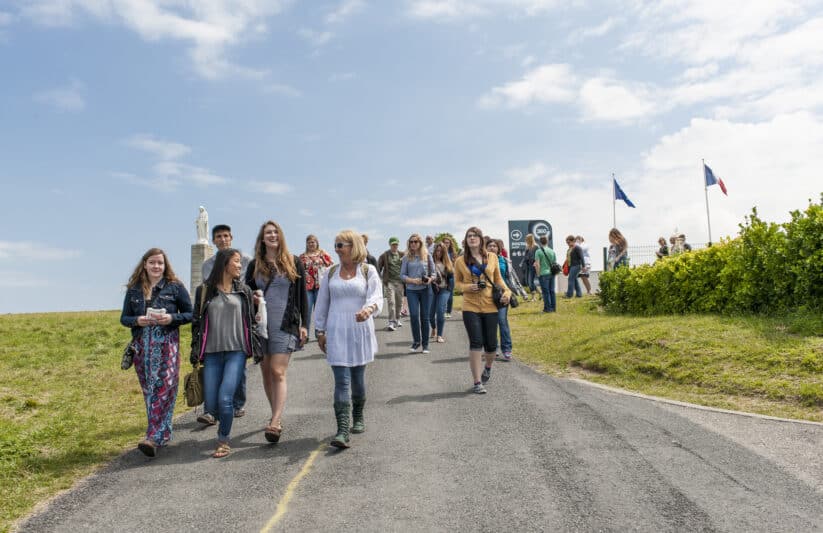
Why Normandy is a Must-Visit for Students of History
For any student interested in history, the beaches of Normandy will make a lasting impact on their understanding of World War II and the sacrifices made for freedom. Visiting this region offers an incredible opportunity to reflect on a moment as significant as D-Day — the beginning of the liberation of Western Europe from Germany’s occupation. On June 6, 1944, allied forces including American, British, and Canadian troops landed on 5 Normandy beaches in a massive effort to reclaim territory. Today, standing on these shores allows students to connect with stories of courage and resistance that changed the trajectory of the war, offering a powerful reminder of the importance of remembering the past.
Omaha Beach – The Most Famous Landing Site
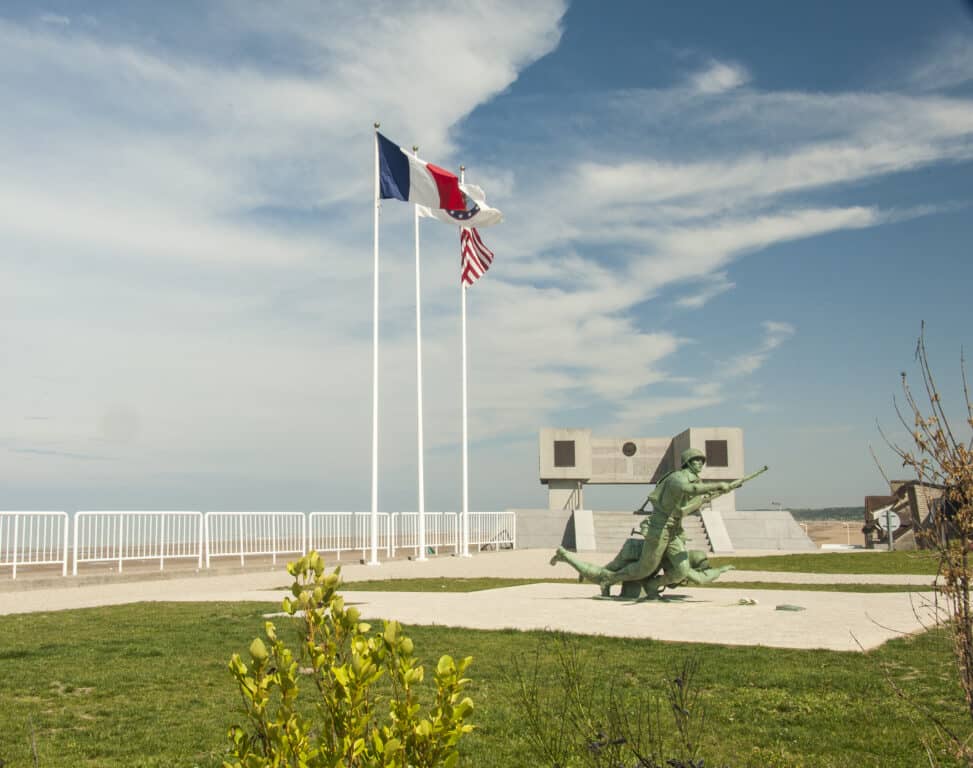
Omaha Beach is the most well-known of the five D-Day landing sites, known as the bloodiest and most brutal landing beach with about 2,400 casualties. Even when faced with intense German defenses and extremely harsh conditions, Allied troops pushed forward with determination and bravery. Today, Omaha Beach offers a place of reflection and remembrance. Students will have the opportunity to see wonderful memorials honoring the Allied forces and troops, preserved German bunkers that once guarded the shore, and the informative Omaha Beach Memorial Museum, which pays tribute to the soldiers who landed on the beaches. The museum features a collection of historical documents, artifacts, and photographs that brings the battle to life for students. When visiting, consider reflecting on the strategies Allied forces used to overcome German defenses, and how teamwork and collaboration played a role in getting through the challenges the troops faced.
Normandy American Cemetery and Memorial
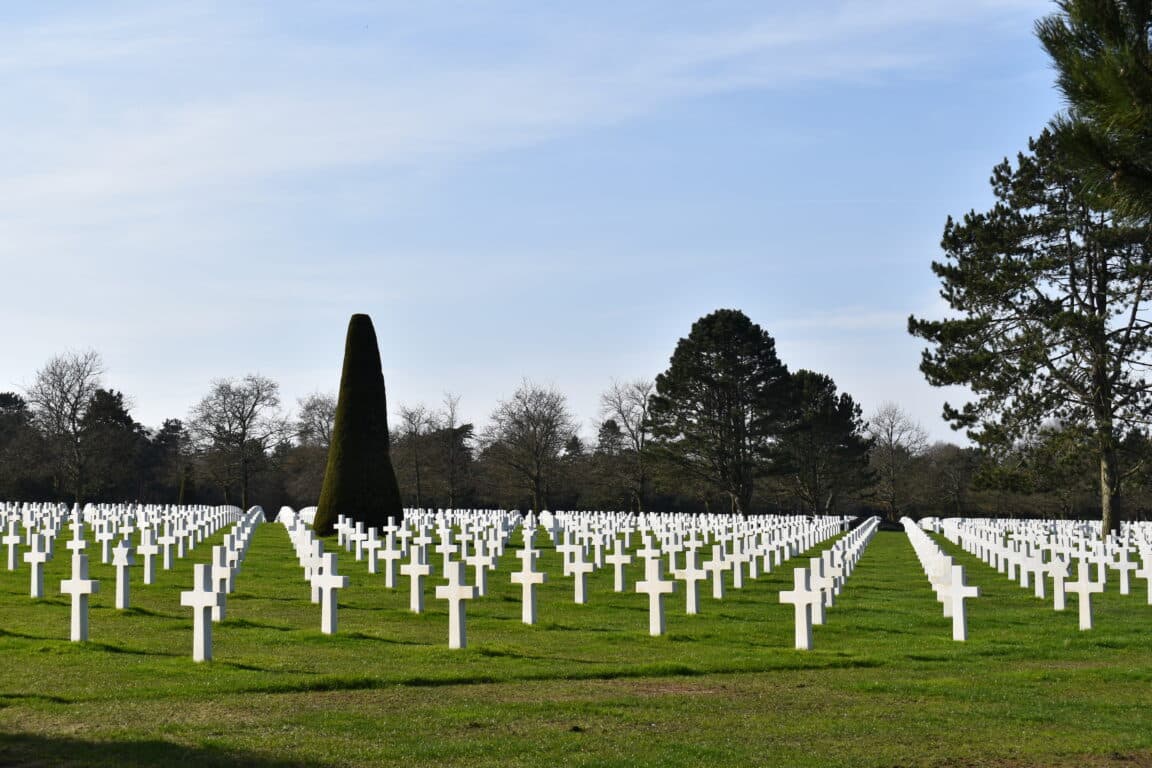
Situated on the cliffs overlooking Omaha beach, this moving site offers students a chance to pay their respects to over 9,000 U.S. military personnel. This became the first American cemetery on European land during World War II, established just two days after the tragedies of D-Day. The cemetery also features a memorial wall listing the names of 1,557 missing soldiers. Walking among this many graves helps students grasp the scale of sacrifice made here and truly understand the gravity of the history they’ve studied. It’s a powerful space for contemplation, and approaching it respectfully is extremely important. Taking the time to quietly walk the grounds, read the names on the crosses and Stars of David, and even leave a small token of gratitude like a letter or flowers helps honor the memory of those who gave their lives.
Pointe du Hoc – Stories of Bravery
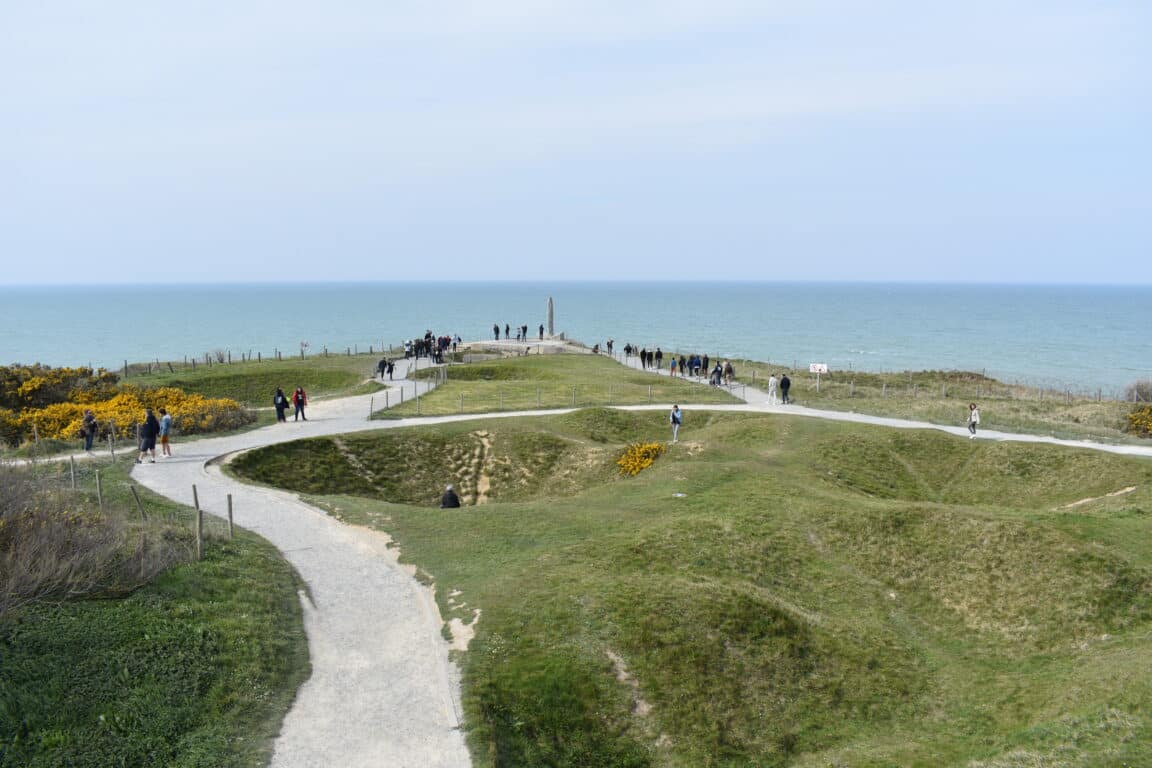
Pointe du Hoc is the perfect site to connect with stories of the past and take in the bravery of those who fought here. Students here can truly imagine what U.S. Army Rangers faced on D-Day as they scaled the cliff under heavy fire to take out German artillery that posed a massive threat to the landings happening through the English Channel. Large bomb craters along the rock, which can still be spotted today, were used as refuge by the Rangers. This site offers the perfect opportunity to discuss how geography played a crucial role in military strategy. Ask yourself why control of the high ground mattered, and what challenges the terrain could have presented to both attackers and defenders.
Additional Sites Worth Exploring
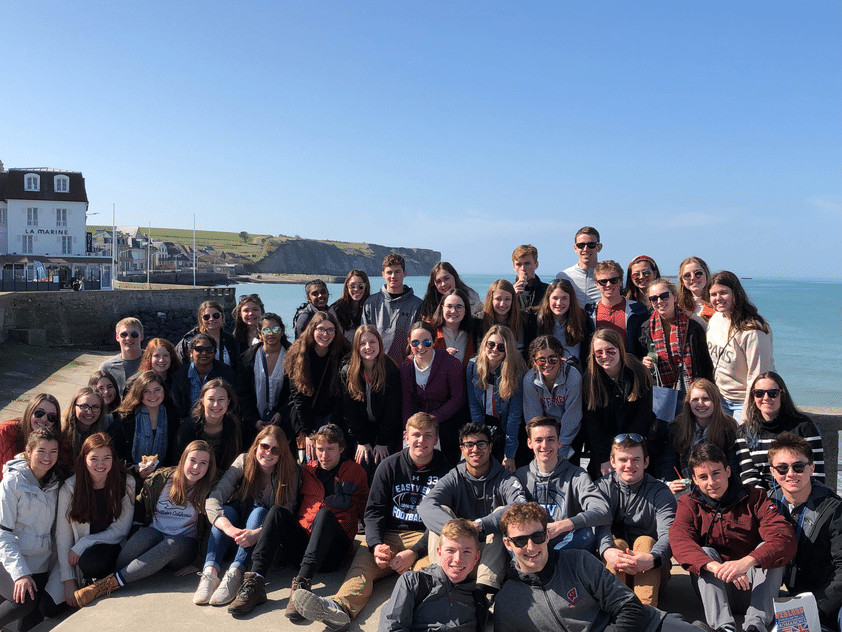
Normandy is filled with additional sites that will enrich your historical knowledge. Here are some of the places where you may want to make a stop during your travels:
- Arromanches and the artificial harbors: Explore remnants of ingenious Mulberry harbors developed to help the Allied forces rapidly bring in troops, vehicles, weapons, and ammunition right after D-Day.
- Musée du Débarquement (Landing Museum): Located in Arromanches, this museum offers a deeper look into the engineering of the invasion and features exhibits with authentic artifacts. Discover military vehicles, soldier’s weapons, and personal objects that belonged to the soldiers.
- Longues-sur-Mer gun battery: Visit one of the best-preserved German artillery sites along the coast and witness 4 guns that were actually used on D-Day. Here, students can get a feel for how strong the defenses were that Allied forces had to face.
Visiting Normandy gives students the chance to experience history in a way that goes beyond textbooks. Walking the beaches and standing on the cliffs where D-Day took place bring the stories of this pivotal historical event to life. Join ACIS in an unforgettable opportunity to honor the past and gain a deeper understanding of the courage and sacrifice of those who fought for freedom!


Carlota Martinez