Top 5 Must-See Incan Ruins Beyond Machu Picchu
Why Explore More Than Machu Picchu?
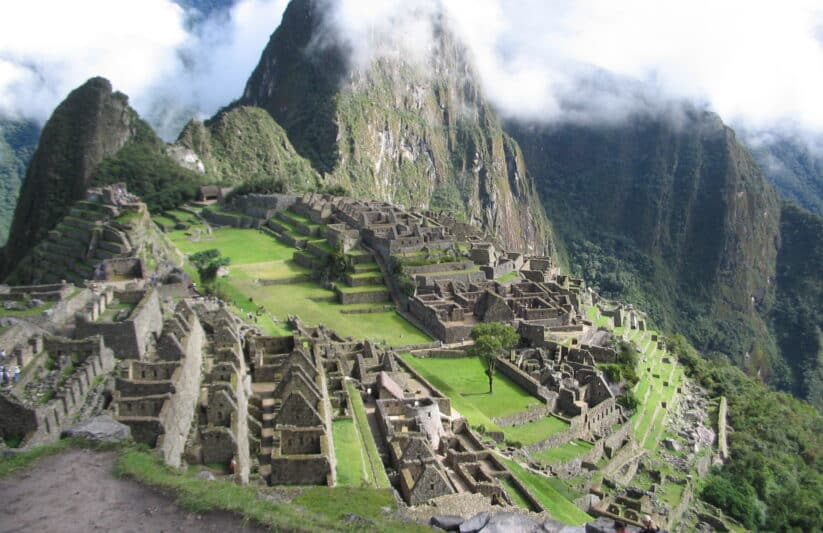
Machu Picchu is one of the world’s most iconic sites, offering a look into the ingenuity of the Inca civilization that dates back all the way to the 15th century. It’s a UNESCO World Heritage Site and was named one of the New Seven Wonders of the World, making it an exceptional experience for any history lover. Still, Peru offers many other Incan sites rich in history and with great significance. These less crowded sites provide deeper cultural immersion and understanding of the Inca way of life. Discover 5 inspiring Incan sites that will leave you just as captivated and wanting more!
Ruin #1 – Sacsayhuamán
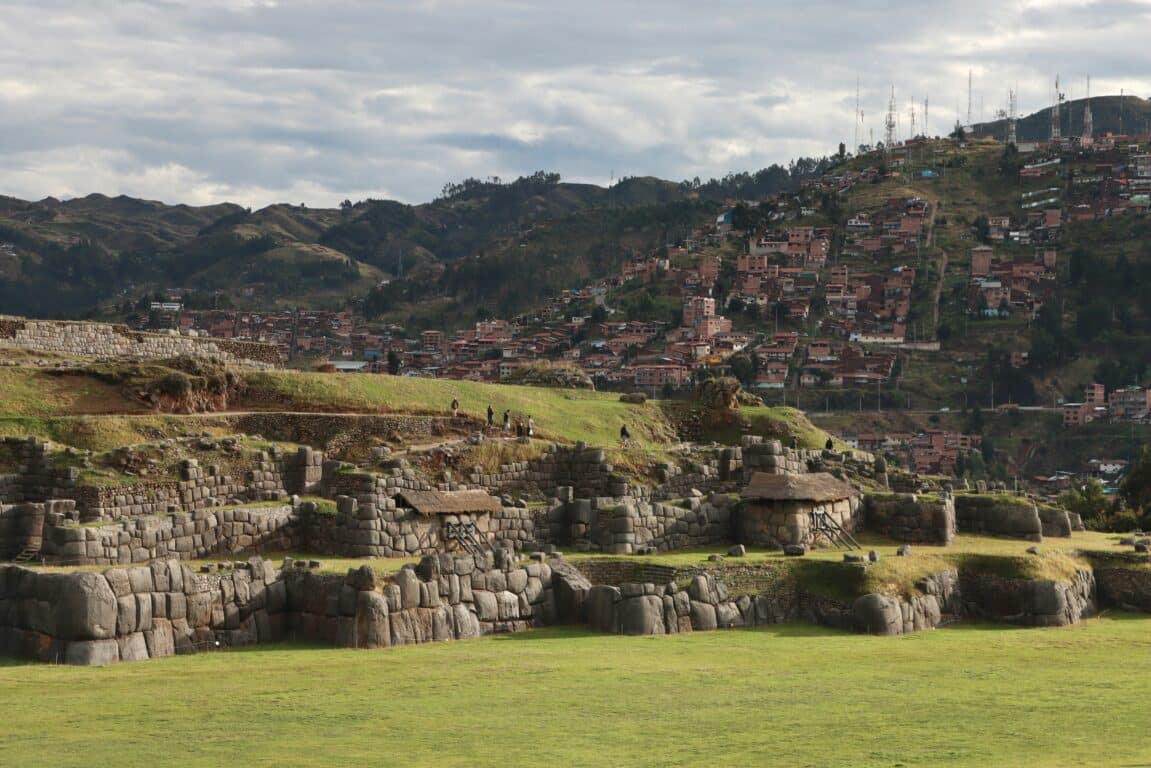
Located above Cusco, or the capital of the Inca Empire, Sacsayhuamán is known for its massive stone walls that are a true testament to Incan engineering. It’s construction lasted over 90 years and required the effort of more than 20,000 men. When it was finished, it became one of the most important ceremonial centers for the Incas and where Inti Rayma, the grand Festival of the Sun, was and is celebrated. With the Spanish conquest of the Inca Empire, Sacsayhuamán became a battlefield and much of it was dismantled in the years to come, yet its towering stones continue to stand as a powerful symbol of Incan resilience.
Ruin #2 – Ollantaytambo
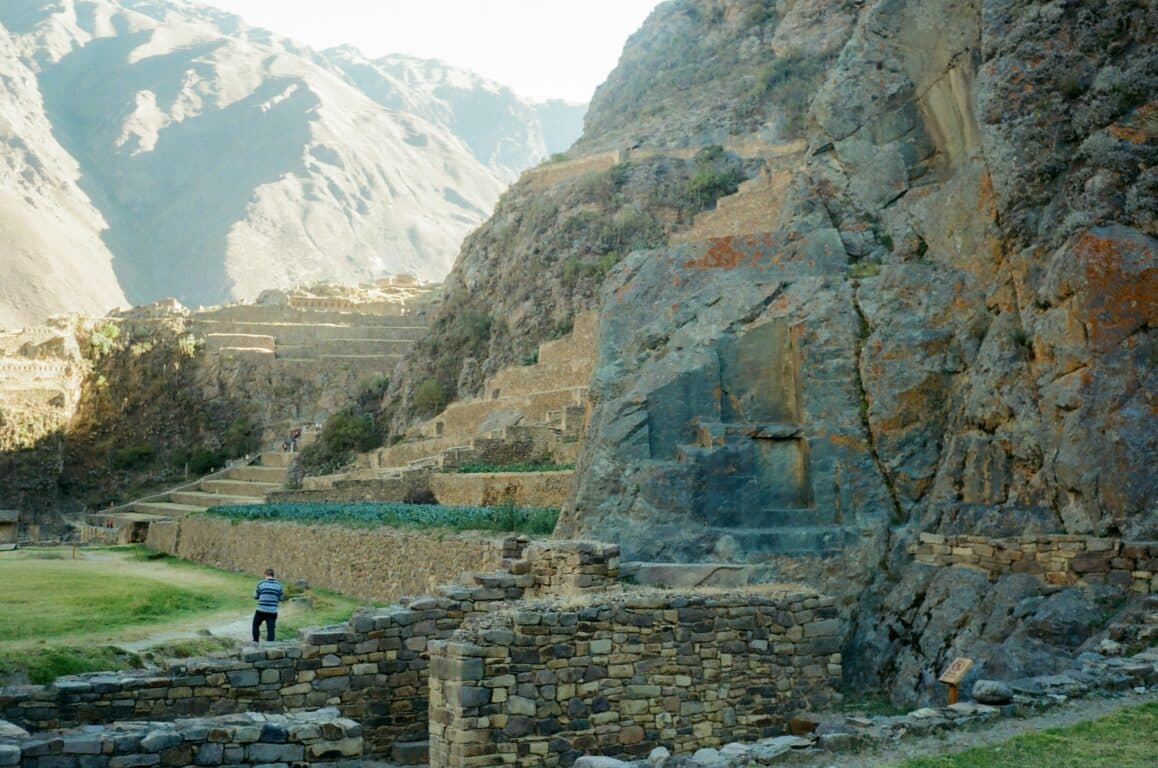
The wonderful Ollantaytambo, or the Living Inca City, is the only Inca town that is still inhabited today. This town offers a window into the past with its cobblestone streets, flowing water channels, and ancient terraces. It used to be a strategic military point, sitting at the northern end of the Scared Valley and controlling access to Machu Picchu. Its terraces served both agricultural and defensive purposes, while the fortress looking over the town became the site of one of the few Incan victories against the Spanish. The Inca’s sophisticated terracing techniques controlled water flow and created microclimates for crops like corn and potatoes, with irrigation channels still flowing through the town today. To this day it remains a living classroom, teaching students about advanced Incan agriculture and urban planning that continues to inspire architects, engineers, and history lovers.
Ruin #3 – Pisac
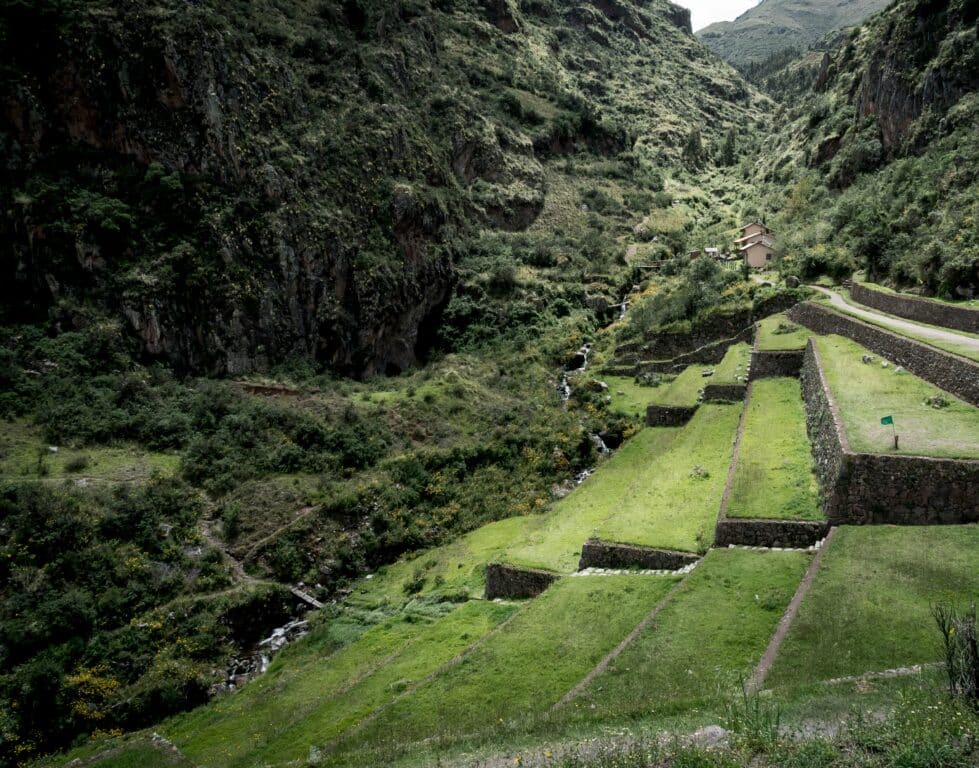
Pisac archeological park offers one of the best examples of Incan farming ingenuity. Best known for its agricultural terraces and panoramic views, this is a breathtaking destination ideal for understanding how Incas adapted their agriculture to such a rugged landscape. The ruins of Pisac are incredibly well-preserved, with some of the highlights being residential settlements, religious temples, ceremonial baths, watchtowers for protection, and what is thought to be the largest Inca cemetery in South America. This site paints a vivid picture of the different aspects of Incan society.
Ruin #4 – Choquequirao
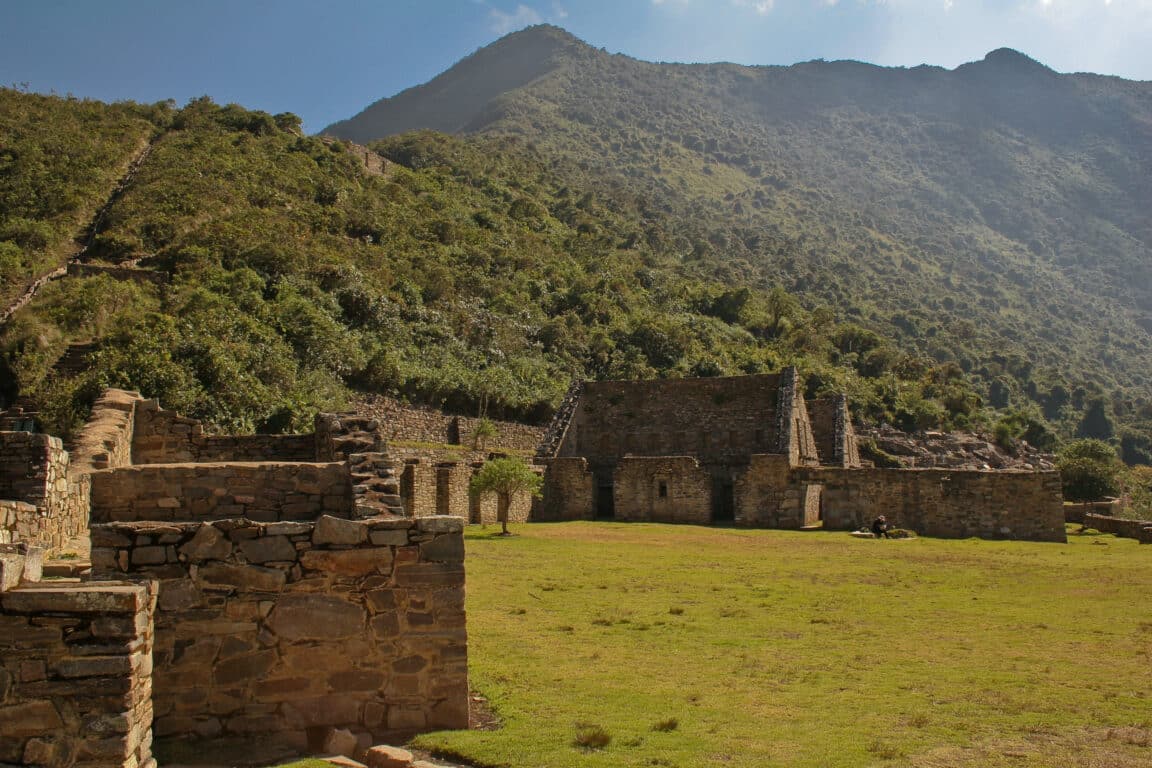
Choquequirao, often referred to as “the other Machu Picchu”, is the perfect site for more adventurous travelers. Its isolated location makes it a less popular attraction than other Incan cities, but its rich archaeological value makes it worth the trek. Built in the 15th century, it served as a military hub and later became a refuge for the Incas after the destruction of Cusco. 3000 meters high in the Vilcabamba mountain range, it features terraced slopes, ceremonial plazas, and wonderful views. For those willing to face the multi-day trek, the experience will be deeply rewarding and unforgettable.
Ruin #5 – Moray
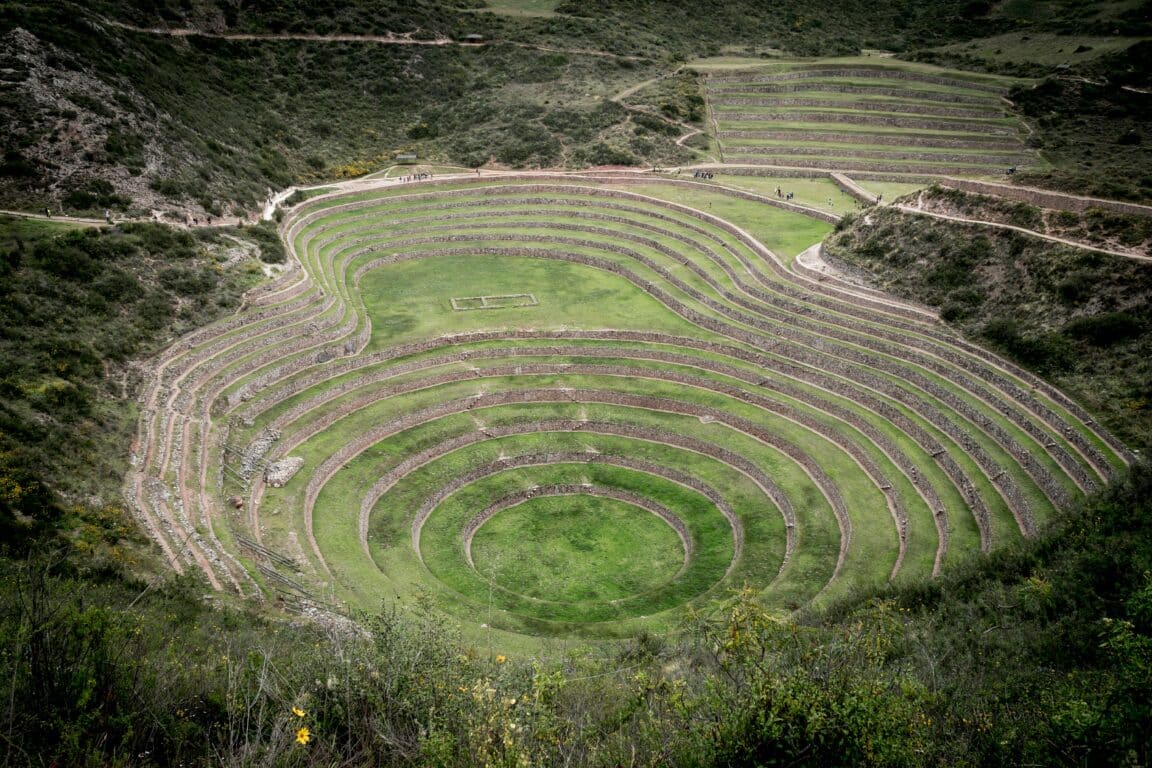
The Inca ruins of Moray at first glance resemble a mighty amphitheater that was carved into the Earth. These impressive circular terraces proved to be far more than for aesthetic, serving as a farming laboratory were Incas were able to explore the results of growing crops at different altitudes and temperatures. Each level has its own microclimate, with differences of up to 27°F between the top and bottom terraces. Their resourcefulness allowed them to test and adapt various crops to the diverse conditions they needed to grow. Moray continues to fascinate us today and help us gain a deeper understanding of the Inca’s scientific approach to farming.
Tips for Teachers and Students When Visiting Peru
Visiting these ruins is not just a journey through breathtaking landscapes, but the perfect opportunity to dive into Peru’s history and explore Inca culture. Here are some tips to make the most out of your experience:
- Before your visit, study the history of the Inca empire, their traditions, beliefs, and overall way of life in order to help connect the sights you are seeing with learning.
- Bring questions to think about during your experience. Why did the Incas build their towns and terraces this way, and how does it compare to farming and city planning today? Discuss with them the similarities and differences between each.
- Engage with locals to earn a real-world perspective.
- Many of these sites are at a high climate. Take time to acclimate, drink water, and be aware of when your body needs a break.
But most importantly, take the time to enjoy the journey and truly admire these wonderful sites!
Feel ready to see Peru’s wonders yourself? Travel with ACIS to experience these sites up close and form unforgettable memories.


Carlota Martinez