5 Things My Students Gained from Traveling Abroad with ACIS
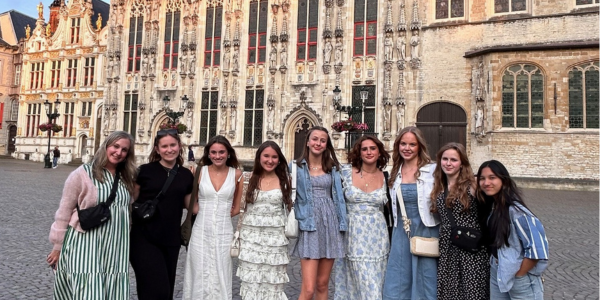
Holly Swafford is a former French language educator who traveled with her students to France on multiple ACIS tours. She is now an Academic Travel Advisor for ACIS.
Of all the travel moments that evoke emotion, one of my absolute favorites will forever be the airport on the return trip home. Yes, I’m serious: The travelers are exhausted, the suitcases are overstuffed, and the friend next to you probably needs a shower–but there’s something so fulfilling about watching my students huddle together by the gate, scrolling through photos they took over the past week, laughing at their new inside jokes. Even though many of them began the journey as strangers, they come home with deep camaraderie that can only be formed by traveling together. Students tend to come quite changed, in many ways–as their eyes have just been opened to brand new worlds.
Here are the top five ways I’ve seen my students change after a trip abroad.
1. Fluency
As a French teacher, language proficiency is important–but as many other teachers can probably attest, getting students to speak (and speak well) is often one of the biggest hurdles. But time and time again, I’ve watched the symbolic lightbulb switch on above a student’s head as they order something in French and are understood by a native speaker. The lightbulb illuminates the reality that vocabulary words and verb conjugations aren’t just exercises on a page; they are real-world knowledge with real-world applications. Those words become cemented in their minds (and in their hearts) after ordering that croque monsieur or asking for directions–and they’ll never forget the jolt of confidence it gave as well.
2. Confidence
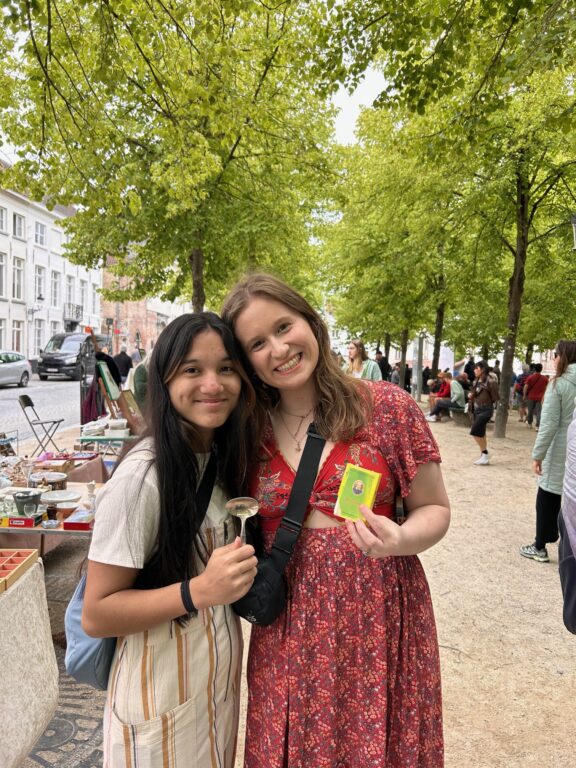
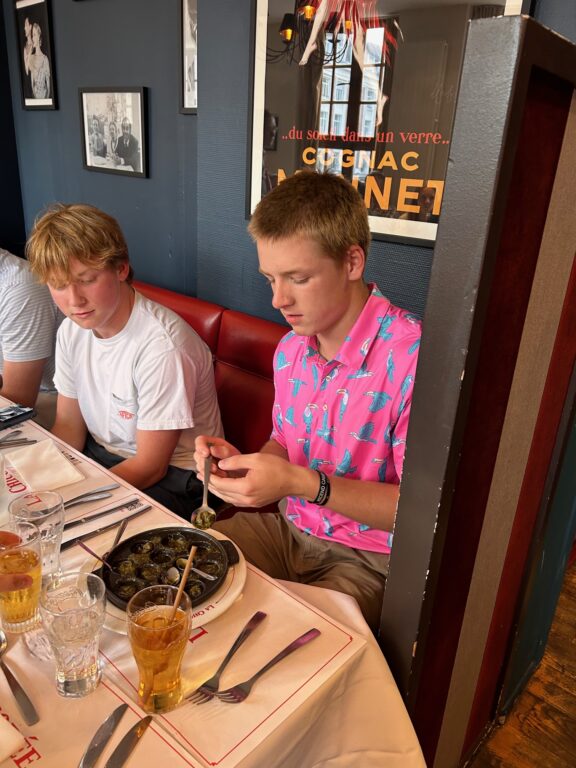
New language skills aren’t the only way that students gain confidence on an international trip. Travel unquestionably pulls students out of their comfort zone, and in turn, demands a certain level of vulnerability to a space’s newness, its unfamiliarity. From navigating the Paris metro to trying escargot for the first time, being pushed out of one’s comfort zone is where confidence can take root. Each successful step, no matter how small, builds on the last, building up a sense of independence that many students have never experienced before. By the time they board the plane home, they’ve learned that they’re capable of far more than they ever imagined.
3. Perspective
Stepping into another country is like holding up a mirror to your own world – for the first time, you’re able to view your own culture from an outside perspective. I often find that students have preconceived notions of what a day in France will look like, only to be met with differences that they didn’t expect. I always tell them to lean into the adventure of it all, even the parts that may seem uncomfortable or unfamiliar. Whether it’s a new dish at dinnertime or the leisurely, unhurried pace of the meal itself, these small moments of adjustment are where real learning happens. That shift of perspective allows students to see that “different” doesn’t mean “wrong”; it simply means “another way.”
4. Resilience
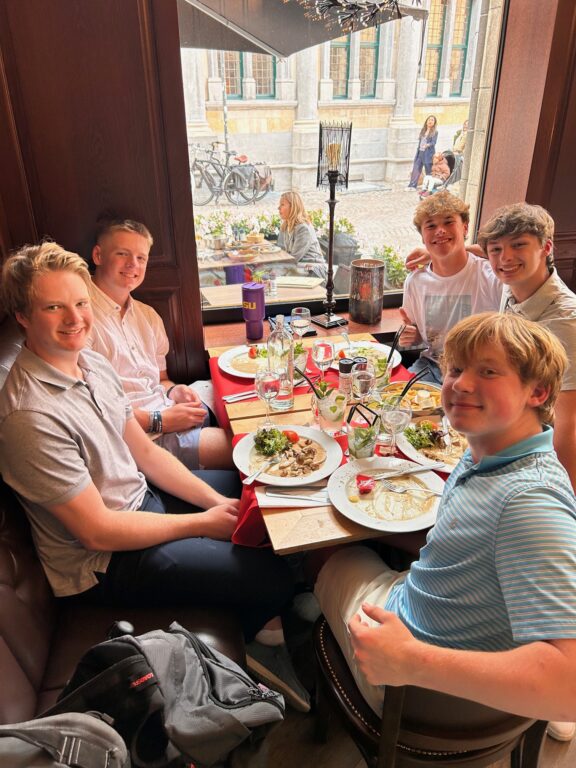
It’s inevitable: the unexpected tends to happen when traveling. Itineraries have to be adjusted, detours have to be taken, or perhaps you don’t end up with your preferred roommate. Before departure, I always stress the word “flexibility”—because when students learn to roll with the punches, that’s when true resilience starts to form. Whether it’s a delayed flight, a sudden rainstorm, or a missed museum reservation, these hiccups often become the most memorable parts of the trip. For instance, during one summer trip the Louvre was unexpectedly closed, but we quickly pivoted and spent a half day exploring the charming city of Rouen. By the end of the journey, they’ve learned that things don’t have to go perfectly to be worthwhile—in fact, it’s often the imperfect moments that make travel unforgettable.
5. Friendships
Oftentimes, students begin a trip sticking close to the little groups they’re already familiar with, but by the end, they’ve bonded with someone completely new. Shared experiences have a way of breaking down walls: singing Manie Musicale songs together on the bus, cheering each other on while climbing the 284 steps of the Arc de Triomphe, or helping a friend find the right words to order ice cream in French. Those small moments of connection build into something bigger. Also, you have a new buddy to share in with the “big” moments, like when you’re giddy and teary-eyed at the top of Mont Blanc, 12,000 feet above the clouds. It’s clear that these friendships become more than just travel companions–they’re memories and relationships that will last long after we return home.


Guest Blogger